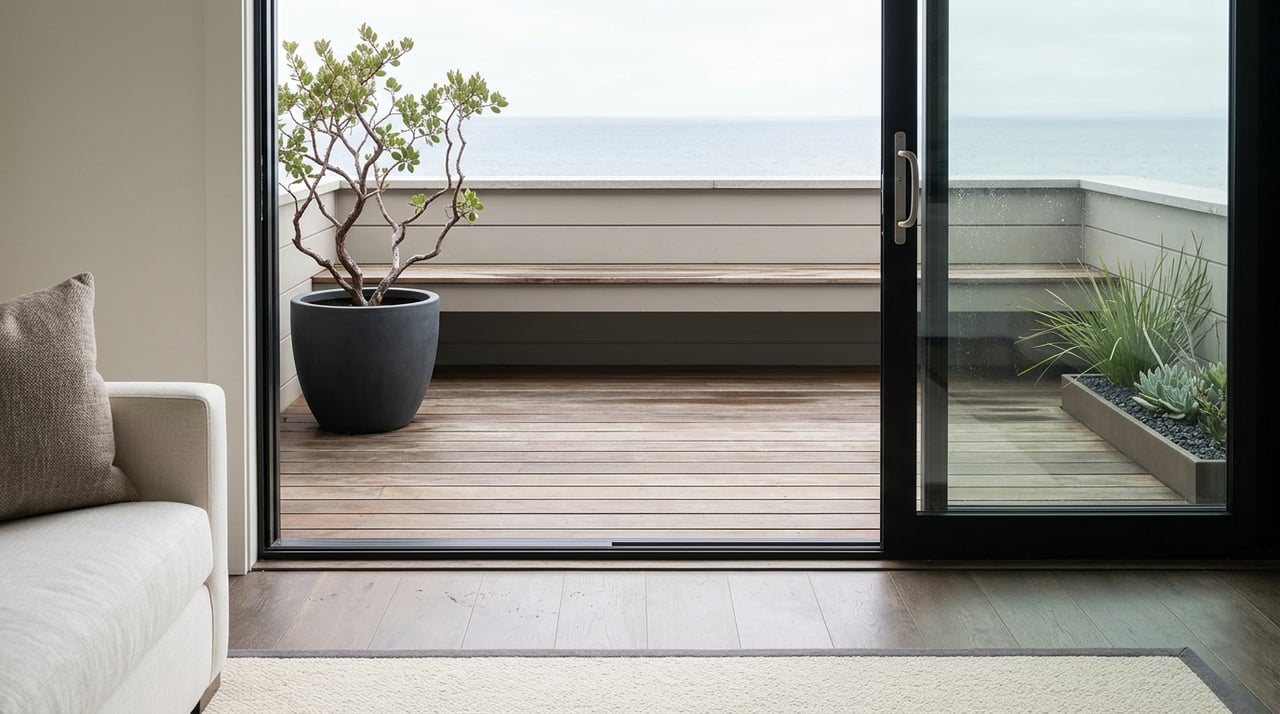
Dreaming about waking up to the Pacific every morning? In Pacifica, that dream can be very real, but an ocean-view home here comes with more than a beautiful horizon. If you are weighing the lifestyle, the price, and the practical trade-offs, it helps to know what makes this coastal market different before you write an offer. Let’s dive in.
Why Pacifica Ocean-View Homes Stand Out
Pacifica offers a setting that feels distinct from many inland Peninsula communities. The city stretches along more than six miles of coastline, with beaches, coves, dunes, and rocky bluffs shaping how homes sit, what they face, and what kind of views they capture.
That local geography matters because not all views are equal. Pacifica’s neighborhood guide notes that Fairmont has some of the best views in the city, Westview and Pacific Highlands have many valley or ocean views, Rockaway Beach sits west of Highway 1, and Pedro Point offers grand views from nearly every homesite.
In other words, when you buy here, you are often paying for a very specific combination of orientation, elevation, and coastal exposure. Two homes in the same city can feel very different based on how directly they face the water, how sheltered they are from wind, and how open the sightlines stay over time.
Pacifica Market Conditions to Know
Pacifica remains a fast-moving coastal market with limited supply. Recent market sources vary on exact numbers, but they consistently point to the same takeaway: homes move relatively quickly, inventory is constrained, and buyers should be prepared to act when the right property appears.
Recent reports place Pacifica’s median home values and sale prices around the low to mid-$1.2 million range, while days on market have generally been measured in just a few weeks or less. That does not mean every listing will behave the same way, but it does mean buyers should expect competition, especially for homes with strong view appeal.
Price also changes a lot by micro-neighborhood. Reported neighborhood medians range from about $999,999 in Westview-Pacific Highlands to about $1.392 million in Park Pacifica, with East Fairway Park-Vallemar-Rockaway, Linda Mar, and West Linda Mar mostly landing in the mid-$1.2 million to mid-$1.3 million range.
Why View Premiums Vary So Much
A common mistake is assuming every ocean-view home carries the same premium. Research on scenic housing shows that views do add value, but the premium can vary widely depending on view quality.
That idea fits Pacifica well. A partial peek of the water from a lower-elevation home is not the same as a broad, unobstructed bluff or hillside panorama. Buyers usually pay more for stronger sightlines, better privacy, and a setting that makes the view feel central to daily living.
This is why comparing list prices alone is not enough. You want to look at what kind of view you are really getting, how protected it is, and whether the premium still makes sense once you account for maintenance, insurance, and future project limits.
Coastal Hazards Matter in Pacifica
An ocean-view purchase in Pacifica is also a coastal-risk decision. The city says it currently experiences coastal erosion, flooding, and severe storms along its shoreline, and bluff-top home evacuations have been necessary in the past.
Pacifica is also preparing a sea-level-rise adaptation plan. Its public guidance says the coastal zone generally includes land west of Highway 1, and the city relies on existing hazard data from FEMA and the California Ocean Protection Council.
State guidance treats sea level rise as an active long-term issue. The California Ocean Protection Council says statewide sea level could rise about 0.8 feet by 2050 and about 1.6 to 3.1 feet by 2100, while also noting that stronger storms and higher tides can speed up bluff erosion, flooding, and beach loss.
Pacifica’s vulnerability assessment says homes in the area are most vulnerable to coastal erosion, flooding, landslides and debris flows, sea level rise, severe weather, and wildfire. It also warns that seawalls and revetments may slow bluff erosion, but may not offer long-term protection.
Permits Can Be More Complex Near the Coast
If you are buying with plans to expand, remodel, or add exterior improvements, permit rules deserve early attention. The California Coastal Commission says development within the coastal zone generally may not begin until a Coastal Development Permit is issued by either the Commission or a local government with a certified Local Coastal Program.
For buyers, that can affect future decks, retaining walls, additions, and some exterior remodels. Compared with many inland Peninsula homes, coastal properties may involve more review and more documentation before work can move forward.
That does not mean improvements are impossible. It means you should confirm early whether your plans could trigger local coastal review or Coastal Commission oversight, especially if the property is west of Highway 1 or close to coastal features.
Bluff-Top and Steep-Lot Homes Need Extra Diligence
Some of Pacifica’s most dramatic views come from bluff-top or elevated sites. Those homes can be very appealing, but they often call for closer review before you remove contingencies.
Pacifica planning documents say development in erosion-prone areas must be designed to address geotechnical issues. They also note that geotechnical reports are required before approval in certain cases and that bluff setbacks should be sized for a minimum 100-year event.
The practical takeaway is simple: if a home sits near a bluff edge, on a steep lot, or in an area with known erosion concerns, you will want to review any prior geotechnical reports, engineering work, and permit history carefully. Those records can help you better understand both current conditions and future limits.
Flood and Tsunami Exposure Should Be Checked by Parcel
Not every ocean-view property has the same exposure profile. In Pacifica, flood and tsunami risk should be reviewed at the parcel level rather than assumed based on address alone.
The city’s tsunami preparedness guidance says tsunamis can arrive within minutes after strong local shaking. It advises immediate evacuation to higher ground and tells residents to move inland if they feel an earthquake or receive a warning.
Flood-zone status matters financially too. If a home is located in a FEMA Special Flood Hazard Area and you are using a mortgage, flood insurance is generally required.
Because of that, it is smart to verify flood-zone information early in the buying process. If insurance becomes a lender condition, it can change your monthly cost picture more than buyers first expect.
Maintenance Costs Are Usually Higher Near the Water
Ocean views are beautiful, but salt air is tough on homes. FEMA guidance says salt spray and onshore winds can significantly accelerate corrosion of metal components in coastal areas.
In real life, that means you should pay close attention to railings, fasteners, roof edges, exposed equipment, and window or door hardware. You will also want to ask what materials were used for exterior metalwork and whether corrosion-resistant components were installed.
Pacifica’s vulnerability assessment adds another layer. It warns that coastal flooding can lead to water damage, mold, and mildew, and that older or poorly maintained homes may face greater risk during landslides and severe weather.
What to Compare Before You Make an Offer
The smartest comparison is not simply ocean view versus no view. It is view quality versus total ownership cost and future flexibility.
A strong Pacifica view may offer emotional value, day-to-day enjoyment, and resale appeal. At the same time, that same home may bring more wind exposure, more moisture, more maintenance, more permit complexity, and possibly higher insurance costs than an inland alternative.
Before you move forward, it helps to compare:
- The exact quality and orientation of the view
- The home’s exposure to erosion, flooding, and slope issues
- Any prior coastal permits, engineering reports, or geotechnical work
- Flood-zone status and possible insurance requirements
- The likely maintenance burden for exterior materials
- Whether your future remodel plans would face coastal permit review
When you frame the decision this way, you can judge whether the premium supports your long-term goals instead of only your first impression.
How to Buy More Confidently in Pacifica
A good ocean-view purchase is usually the one that still feels right after the practical math is done. In Pacifica, that means balancing lifestyle with due diligence.
You do not need to avoid coastal homes. You simply want clear eyes about what you are buying, what it may cost to maintain, and how future improvements could be affected by coastal rules and site conditions.
If you are considering an ocean-view home in Pacifica, working with a local Peninsula agent who understands how neighborhood differences, property records, and pre-offer due diligence fit together can help you make a more confident decision. For tailored guidance, local market insight, and hands-on support with your next move, reach out to Vilma Palaad.
FAQs
What makes Pacifica ocean-view homes different from inland Peninsula homes?
- Pacifica ocean-view homes often command premiums tied to view quality, elevation, and coastal exposure, but they may also come with added maintenance, permit complexity, and hazard considerations.
Which Pacifica neighborhoods are known for ocean or valley views?
- Pacifica’s neighborhood guide describes Fairmont as having some of the best views in the city, notes that Westview and Pacific Highlands have many valley or ocean views, and says Pedro Point offers grand views from nearly every homesite.
Do Pacifica ocean-view homes face coastal hazard risks?
- Yes. Pacifica says its shoreline experiences coastal erosion, flooding, and severe storms, and its vulnerability assessment identifies risks such as erosion, flooding, landslides, debris flows, sea level rise, and severe weather.
Do coastal permits matter when buying a home in Pacifica?
- Yes. If a property is in the coastal zone, future additions or exterior projects may require coastal permit review, so buyers should confirm what rules may apply before planning improvements.
Is flood insurance required for some homes in Pacifica?
- If a home is in a FEMA Special Flood Hazard Area and you are using a mortgage, flood insurance is generally required.
What should buyers inspect more closely in a Pacifica ocean-view home?
- Buyers should look closely at corrosion on metal components, signs of water intrusion, mold or mildew concerns, bluff or slope conditions, flood exposure, and any prior geotechnical or permit documentation tied to the property.