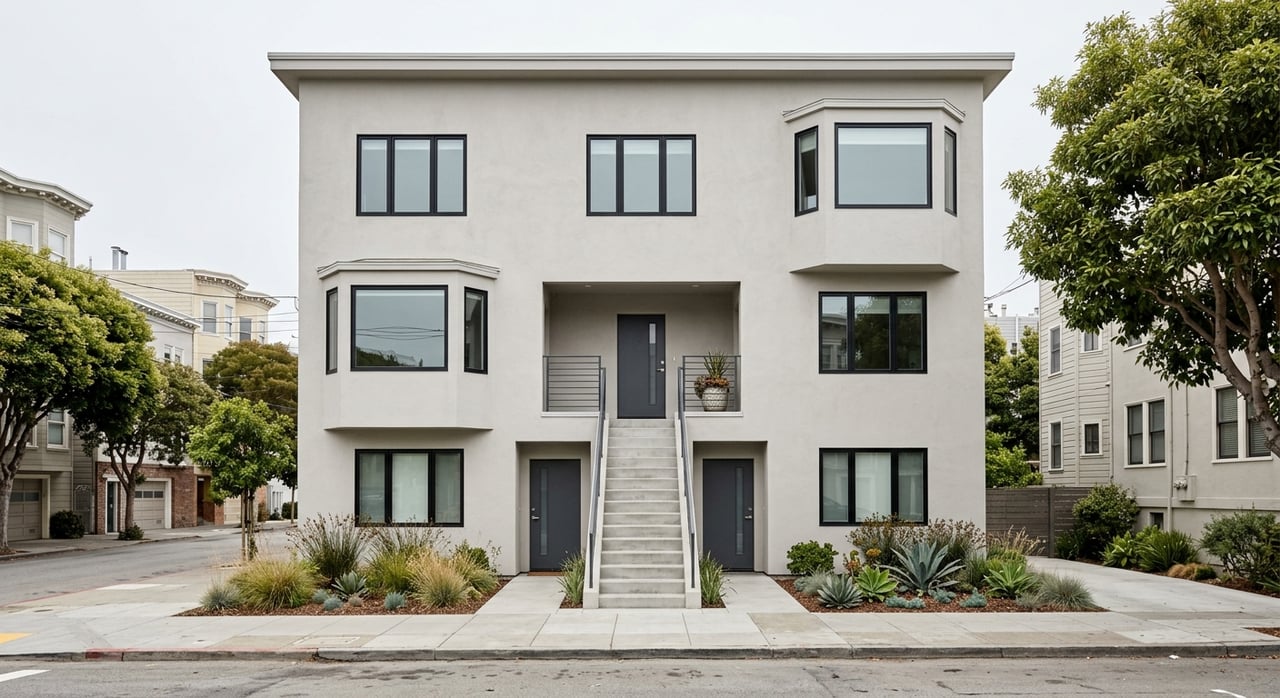
Are you thinking about buying a duplex, triplex, or small apartment building in South San Francisco? It can be an appealing way to build long-term wealth, especially in a city where local jobs, limited housing supply, and strong rents all shape demand. If you want to invest with clear eyes, you need more than headline prices. You need to understand rents, rules, taxes, and property condition before you make an offer. Let’s dive in.
Why South San Francisco Stands Out
South San Francisco is not just a residential city. It is also a major employment center, which matters when you are evaluating rental demand. The city reported 66,185 residents in 2023, a median household income of $127,062, a 61.6% owner-occupied housing rate, and 36,600 employees working in the city in 2022.
That jobs base helps explain why rentals can remain in demand even in a relatively compact market. The city also notes that biotechnology has been a major part of the local economy since Genentech’s founding, with more than 11 million square feet under construction or in planning. For investors, that points to demand drivers tied to employment, not just population growth.
Small Multifamily Supply Is Tight
One of the first things to know is that small multifamily inventory in South San Francisco is limited. Public market data showed only five active multifamily listings at a median listing price of about $1.19 million. That is a small pool, which can make good opportunities feel scarce.
The broader resale market is also competitive. In March 2026, the median sale price in South San Francisco was reported at $1,317,500, homes sold in about 13 days, and the average home received six offers. Even though a duplex or triplex is different from a single-family home, those numbers still help frame the local pace and competition.
Rent Data That Helps You Underwrite
If you are evaluating a small multifamily property, current asking rents are one of the first numbers to review. Recent market data showed an average rent of $4,162 across all bedroom counts and property types in South San Francisco. By unit type, average asking rents were reported at $2,610 for a one-bedroom, $3,600 for a two-bedroom, $4,800 for a three-bedroom, and $5,995 for a four-bedroom.
It is also helpful to separate active asking rents from broader housing data. The city reported a 2022 median gross rent of $2,649. That figure and current asking rents are not direct apples-to-apples comparisons because they measure different things, but together they offer context for the local rental market.
A Simple Duplex Example
Let’s say you are looking at a duplex with two 2-bedroom units. If each unit could achieve the current average asking rent of $3,600, that would equal about $86,400 in gross annual rent.
Against a $1.19 million purchase price, that works out to a gross yield of roughly 7.3% before vacancy and expenses. If you then reserve 5% for vacancy or credit loss and estimate operating expenses at 35% to 45%, the implied cap rate lands around 3.8% to 4.5%. That is a useful illustration, but it is still only a starting point.
Every property will perform differently based on its actual rent roll, condition, tenant mix, deferred maintenance, and local costs. In other words, gross rent is not the same as net income.
Why Turnover Matters More Than You May Think
When people first look at small multifamily, they sometimes assume rents can simply be raised to meet the market. In California, that is not how it works. The state tenant guide explains that a landlord generally cannot increase rent during a fixed lease term unless the rental agreement allows it.
For month-to-month and other periodic tenancies, notice requirements depend on the size of the increase. That means your path to higher rent usually comes from a mix of lease renewals, scheduled annual increases where allowed, and tenant turnover. If a building has long-term tenants paying below current asking levels, that can affect your near-term cash flow after closing.
AB 1482 Can Shape Your Strategy
California’s Tenant Protection Act, often called AB 1482, is one of the most important rules for small multifamily investors to understand. According to the California courts’ tenant guide, the law generally applies to rental complexes with two or more units that are at least 15 years old, unless stronger local rules apply.
The guide also notes several exemptions. These include many single-family homes, condominiums, and an owner-occupied duplex. Whether a specific property is covered depends on its facts, so this is an area where careful review matters.
Key AB 1482 Points
For covered units, the annual rent increase limit is 5% plus CPI, or 10%, whichever is lower. The guide also says landlords cannot increase rent more than twice in a 12-month period.
The just-cause rules are another major factor. They generally apply after 12 months of tenancy, or 24 months in certain added-adult situations. The guide also explains that some no-fault terminations can require relocation assistance or a waiver of the final month’s rent.
For an investor, these rules affect both income planning and exit planning. You want to understand not only what a unit could rent for, but also how and when income can legally change.
South San Francisco Costs to Build Into NOI
Local carrying costs can narrow returns faster than many buyers expect. In South San Francisco, one especially important item is the city’s business license tax on long-term residential rentals. The city states that Measure W removed the previous five-unit threshold, so all long-term residential rental property owners are now subject to the tax, including owners of single-family homes and ADUs.
That means even a small rental property should be underwritten with this local cost from day one. If you skip it, your projected net operating income may look better on paper than it does in reality.
Property Tax and Supplemental Bills
Property tax is another major expense line. San Mateo County states that Proposition 13 generally limits annual real property assessment increases to 2% and limits property taxes to 1% of assessed value plus voter-approved bonds.
The county also notes that supplemental assessments can be issued when ownership changes or new construction occurs. For buyers, that matters because the first year after closing can bring a tax bill that feels unexpected if you did not budget for it up front.
Due Diligence Is Where Deals Are Won
A small multifamily property can look straightforward from the outside, but hidden issues can change your numbers quickly. South San Francisco’s Planning Division directs buyers to the zoning ordinance and interactive zoning map, and the Building Division outlines permit review and inspection processes. That makes zoning and permit history a core part of due diligence.
Before you treat a building as a clean income property, confirm that its use is lawful and that any additions or conversions were properly permitted. Unpermitted space, unresolved permit issues, or nonconforming use can affect financing, insurance, repair costs, and future resale.
Older Buildings Need Extra Attention
If you are buying an older building, exterior features can create another layer of risk. The city’s balcony-law FAQ states that buildings with three or more dwelling or sleeping units and qualifying exterior elevated elements may require licensed inspections, and corrective work may require permits.
That is a good reminder that maintenance risk is not always obvious during a quick walkthrough. Balconies, decks, and exterior stairways can become real budget items, especially if you are buying for long-term hold rather than short-term speculation.
Think Beyond the Headline Cap Rate
In South San Francisco, small multifamily often works better as a planning asset than as a simple yield play. A duplex or triplex may offer cash flow, appreciation potential, and future flexibility, but the spread between gross rent and true NOI can get squeezed by regulation, local taxes, maintenance, and turnover risk.
That is why your strategy matters. One owner may buy for stable long-term hold. Another may improve operations, refresh rents over time, refinance after stabilization, or eventually trade up into a larger asset.
1031 Exchange Timing Matters
If part of your plan involves a future exchange, timing becomes critical. IRS guidance states that Section 1031 applies to real property held for investment or productive use in a trade or business, not property held primarily for sale. The IRS also states that replacement property generally must be identified within 45 days and received within 180 days, with the exchange reported on Form 8824.
For that reason, your purchase today can shape your exit options later. A strong plan usually considers tenant stability, rent upside, building condition, and tax timing together instead of focusing on one metric alone.
How a Local Agent Helps You Invest Smarter
When you are buying small multifamily on the Peninsula, local guidance is practical, not just convenient. You want help sourcing listings, comparing asking rent to likely achievable rent, reviewing zoning and permit history, coordinating inspections, and keeping your timeline aligned with your broader goals.
That is especially true in a market like South San Francisco, where inventory is limited and details matter. A property that looks promising on the surface may tell a different story once you account for business license tax, supplemental property taxes, rent rules, or repair needs.
If you are weighing a duplex, triplex, or small apartment building in South San Francisco, working with an experienced local broker can help you evaluate the real numbers behind the opportunity. To talk through your goals and next steps, connect with Vilma Palaad.
FAQs
What makes South San Francisco attractive for small multifamily investing?
- South San Francisco combines a relatively compact population with a large employment base, including a strong biotech presence, which helps support rental demand.
What are average rents in South San Francisco right now?
- Recent market data showed average asking rents of about $2,610 for a one-bedroom, $3,600 for a two-bedroom, $4,800 for a three-bedroom, and $5,995 for a four-bedroom.
What cap rate should you expect for a South San Francisco duplex?
- A simple public-data example using two 2-bedroom units at current average asking rent and a $1.19 million purchase price suggests an implied cap-rate range of roughly 3.8% to 4.5% before property-specific adjustments.
Does AB 1482 apply to small multifamily property in South San Francisco?
- It often can, because the law generally applies to rental complexes with two or more units that are at least 15 years old, though exemptions may apply depending on the property.
What local costs should you budget for in South San Francisco rental property?
- In addition to standard ownership costs, you should account for the city’s business license tax on long-term residential rentals and possible supplemental property tax assessments after closing.
Why should you check permits and zoning before buying a South San Francisco multifamily property?
- Zoning, lawful use, permit history, and any unpermitted additions can affect financing, insurance, repairs, compliance, and resale value.