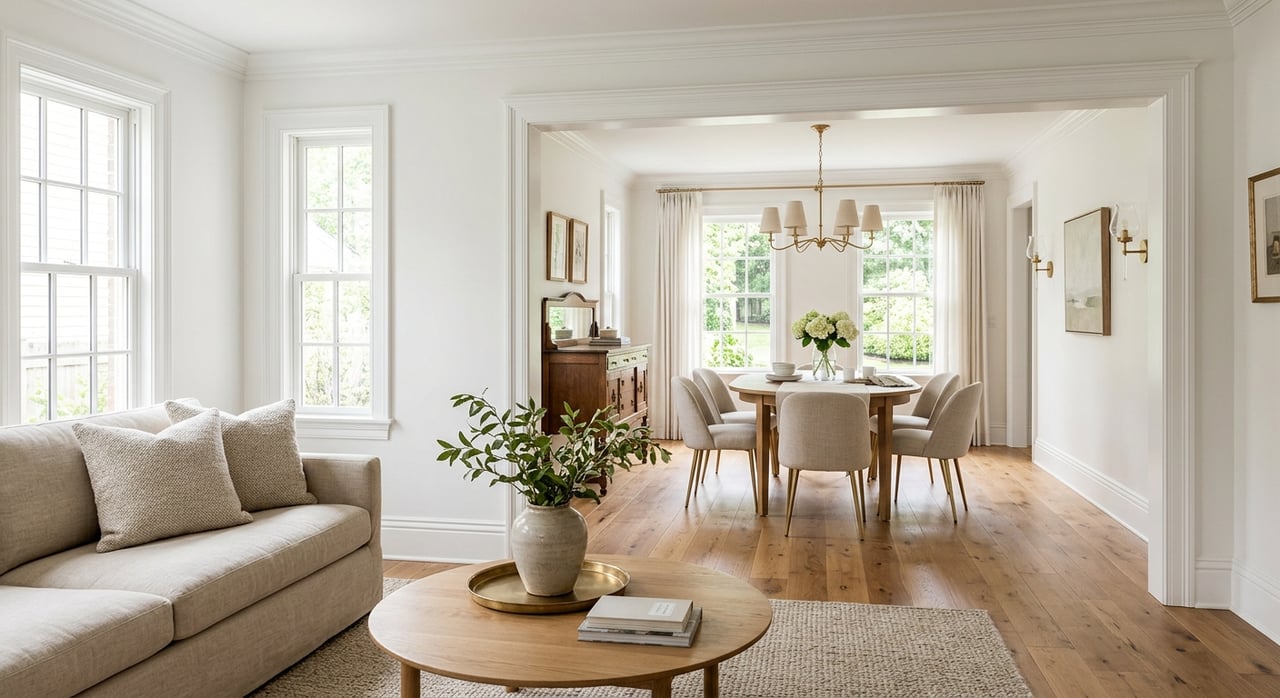
If you’re selling a San Bruno home with a chopped-up layout, smaller rooms, or a design that feels out of step with today’s open-plan trends, you are not alone. Much of San Bruno’s housing stock was built between 1940 and 1979, so older floor plans are a normal part of the local market, not an unusual flaw. The good news is that in a city with strong demand, low vacancy, and quick sales, you do not need to completely reinvent your home to make it appealing. You need a smart plan that helps buyers understand the space, feel its livability, and trust what they are seeing. Let’s dive in.
Older floor plans are common in San Bruno
San Bruno’s housing stock reflects decades of development, and many homes were built long before open kitchens and oversized great rooms became popular. The city’s housing element shows that the largest group of homes was built from 1940 to 1959, with 6,203 units from that period alone. That means older layouts are part of the city’s housing identity.
San Bruno also has a housing mix that remains heavily residential, with 56% single-family detached homes. In the older eastern half of the city, the street grid and housing patterns reflect earlier development, while the western half is more associated with post-1950 subdivisions and some larger multi-family complexes. If your home has a more traditional layout, it fits into a well-established local pattern.
This matters because buyers shopping in San Bruno are not walking in expecting every home to feel brand new. They are often comparing homes with similar age, room separation, and design limits. Your goal is not to pretend your home is something it is not. Your goal is to present it clearly and confidently.
San Bruno demand can work in your favor
An older floor plan does not automatically hold back a sale, especially in a market with strong demand. San Bruno’s housing element reports a vacancy rate of 3.7%, which the city identifies as a sign of strong housing demand. That creates a helpful backdrop for sellers.
Current resale data also points to a competitive market. Redfin reports that San Bruno homes receive about two offers on average and sell in around nine days, with a March 2026 median sale price of $1.4 million. In a market like that, buyers often focus on overall value, location, condition, and move-in potential, not just whether the layout matches the latest design trend.
That does not mean floor plan concerns disappear. It means you have room to be strategic. If you combine thoughtful presentation, realistic pricing, and complete disclosures, an older home can still attract serious interest.
Help buyers understand the layout fast
One of the biggest challenges with an older floor plan is not always the layout itself. It is buyer confusion. If a room’s purpose is unclear or the flow feels tight in photos, buyers may move on before they ever visit.
That is why presentation matters so much. NAR’s 2025 staging survey found that 83% of buyers’ agents said staging made it easier for a buyer to visualize the property as a future home. For older homes, that benefit is especially important because staging can make room function and circulation easier to read.
Online presentation also carries real weight. NAR reported that buyers’ agents rated listing photos as important at 73%, followed by videos at 48% and virtual tours at 43%. If your home’s layout needs explanation, the listing should do that work before a buyer steps through the door.
Focus on staging, not a full overhaul
Many sellers assume they need major construction to compete. In most cases, that is not the strongest move. Research supports a more focused approach built around staging, decluttering, cleaning, and selective updates.
NAR’s guidance describes staging as highlighting a home’s strengths and helping buyers envision living there. That is very different from a full remodel. For an older San Bruno home, the goal is to make the space feel functional, bright, and easy to understand.
The most common seller recommendations in NAR’s 2025 report were:
- Decluttering the home
- Cleaning the entire home
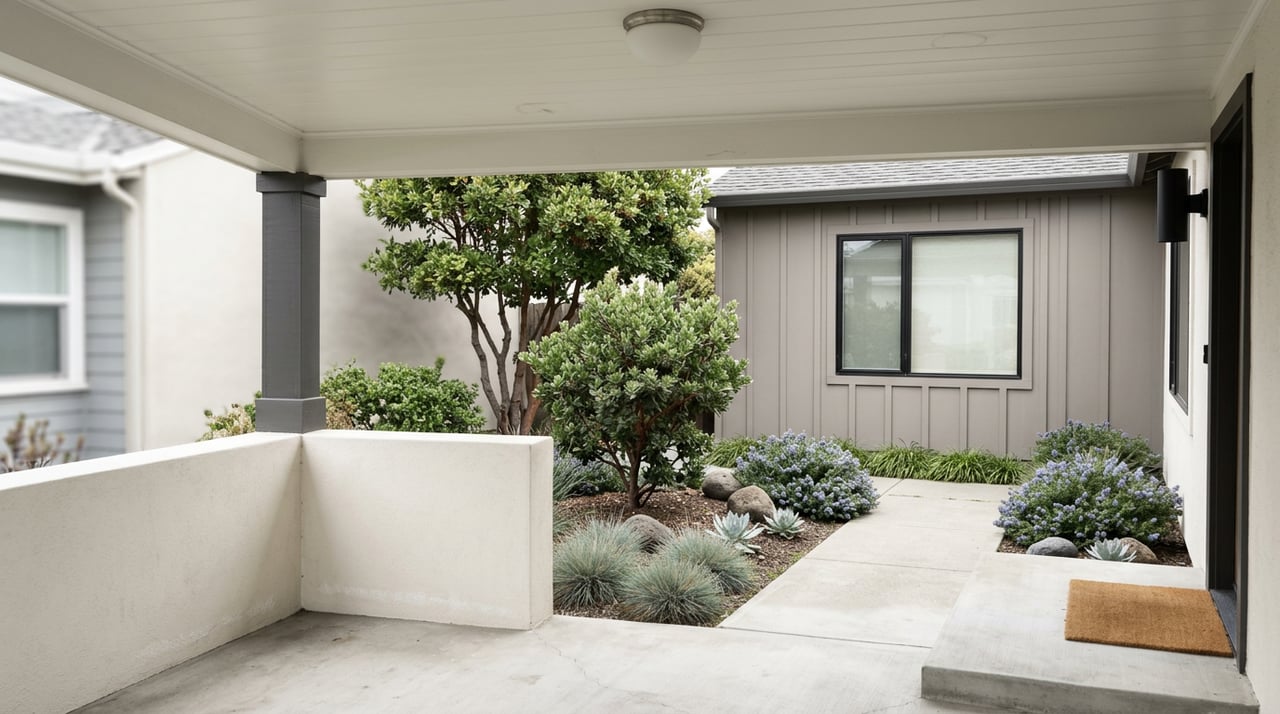
- Improving curb appeal
Those are high-visibility improvements that can change how buyers feel about the property without forcing you into a long, expensive renovation process.
What to improve before listing
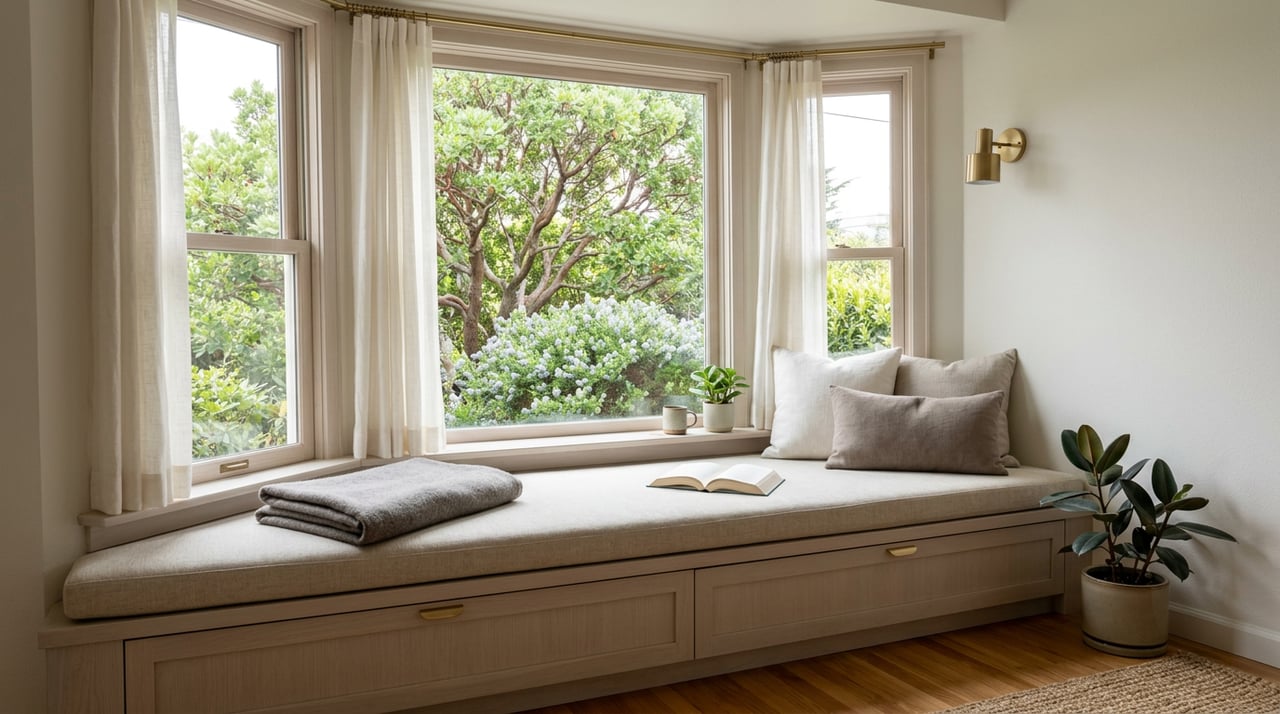
If you are deciding where to spend money, start with the changes buyers notice right away. NAR’s staging guidance recommends letting in natural light, using neutral wall colors, streamlining décor, opening the space visually, and demonstrating room versatility. Those steps can make an older floor plan feel calmer and more functional.
A few practical prep priorities often make sense:
- Remove bulky furniture that makes rooms feel smaller
- Define each room with a clear purpose
- Paint strong or dated wall colors in neutral tones
- Replace worn flooring where condition is obvious
- Add or highlight storage where possible
- Clean windows and maximize natural light
- Refresh the front entry and exterior appearance
If a dining room, den, or bonus space could serve more than one use, show that clearly. Buyers do not always need a bigger footprint. Often, they need help seeing how the space could work for their daily life.
Be realistic about staging expectations
Today’s buyers are highly visual, and many come in with polished online expectations. NAR found that 48% of respondents said buyers expected homes to look like they were staged for television, and 58% said buyers were disappointed when homes did not match that expectation. That creates pressure, but it also offers a lesson.
Do not overpromise. If your listing photos suggest a level of finish that the in-person home cannot support, buyers may feel let down. It is better to create a clean, well-composed presentation that feels honest and polished than to push for a look that does not reflect the actual home.
That balance is especially important with older floor plans. Strong marketing should clarify the home, not disguise it.
Price for condition and potential
Pricing is one of the most important decisions when your home has an older layout. A realistic price can attract both buyers who want something move-in ready and buyers who are comfortable making changes over time. The key is matching the asking price to the home’s condition, presentation, and overall market position.
San Bruno is a high-value market. Census QuickFacts place the median value of owner-occupied housing units at $1,207,500 for 2020 through 2024, and the city has a 62.1% owner-occupied housing unit rate. Those figures reinforce that buyers are already entering a substantial market, so they tend to compare homes carefully.
That is why over-improving is not always the answer. San Bruno’s housing element notes that land, labor, materials, and financing can constrain housing improvement and development. For many sellers, a selective-update strategy is more defensible than an expensive remodel that may not come back dollar for dollar.
Watch permits and pre-listing work carefully
If you are tempted to make last-minute improvements, pause before starting. In an older home, cosmetic work can quickly turn into permit, contractor, or material issues. That is especially true if work involves kitchens, baths, windows, or anything that disturbs older building materials.
San Bruno’s Building Division publishes homeowner handouts with permit submittal requirements and project-specific guides, including kitchen, bath, and laundry remodel requirements, window replacement guidelines, lead-based paint guidance, and asbestos tips for housing built before 1979. The city also states that exterior changes to single-family and two-family residences requiring discretionary approval or a building permit must comply with Residential Design Guidelines.
In practical terms, this means quick fixes are not always simple. Before you spend money, make sure the work is appropriate, code-conscious, and properly vetted.
Do not overlook older-material risks
If your home was built before 1978, lead-based paint rules matter. Federal rules require sellers of pre-1978 homes to disclose known lead-based paint or lead hazards and provide buyers an opportunity to conduct a 10-day inspection or risk assessment. EPA also notes that older homes are more likely to contain lead-based paint.
That matters before listing because renovation or partial demolition in a pre-1978 home can create lead dust. EPA states that lead-safe practices are required for many renovation activities in those homes. So even a small pre-sale project should be handled thoughtfully.
Asbestos is another issue sellers should treat carefully. EPA says asbestos cannot be identified by sight alone, and suspect materials such as floor tile, ceiling tile, or pipe wrap should be sampled by a trained asbestos professional if renovation would disturb them. For an older San Bruno home, contractor vetting is not just about price. It is about safety and compliance.
Clear disclosures build trust
A well-prepared sale is not just about paint colors and photos. It is also about documentation. California’s Department of Real Estate says the Transfer Disclosure Statement covers the property’s physical condition and any potential hazards or defects, and buyers also receive an Agency Relationship Disclosure.
For an older home, complete and consistent disclosures are especially important. If the home has known quirks, aging systems, or prior repairs, those details should be handled carefully and accurately. Buyers can accept age and character much more easily than uncertainty.
California’s Natural Hazard Disclosure Act also requires disclosure of mapped hazard zones, including seismic hazard zones and earthquake fault zones, when applicable. In other words, strong marketing should be paired with strong disclosure practices. That combination helps support a smoother transaction.
The best strategy is often simple
Selling a San Bruno home with an older floor plan is usually not about erasing the home’s age. It is about presenting the space well, making smart updates where buyers will notice them, pricing with discipline, and backing everything up with clear disclosures. In a market where older housing stock is common and demand remains strong, that approach is often more practical than a costly attempt to chase every modern trend.
A well-marketed older home can still feel inviting, functional, and full of possibility. If buyers can quickly understand how the home lives and trust the information they receive, you are already in a stronger position.
If you want a local strategy for pricing, presentation, and marketing your San Bruno home, Vilma Palaad can help you build a plan that fits your property and your goals.
FAQs
How common are older floor plans in San Bruno homes?
- Very common. San Bruno’s housing element shows that most housing units were built between 1940 and 1979, with the largest group built from 1940 to 1959.
What should sellers do first when preparing an older San Bruno home for sale?
- Start with decluttering, deep cleaning, and curb appeal, then consider selective updates that improve light, flow, and room function.
Does staging help sell a home with an older layout?
- Yes. NAR’s 2025 survey found that 83% of buyers’ agents said staging made it easier for buyers to visualize a property as a future home.
Should you remodel before selling an older San Bruno house?
- Not always. A selective-update approach is often more practical than a major remodel, especially when pricing, presentation, and disclosures are handled well.
What disclosures matter when selling an older home in California?
- Sellers should expect to provide a Transfer Disclosure Statement, Agency Relationship Disclosure, required hazard disclosures, and for pre-1978 homes, lead-based paint disclosures if applicable.