Selling in Millbrae can feel like a race against the clock. Buyers often move fast here, and your first days on the market can shape the entire outcome. If you want to protect your price, attract serious interest, and avoid costly missteps, planning matters just as much as timing. Here’s how to prepare your Millbrae home sale with a smart, local-first strategy.
Why Millbrae planning matters
Millbrae remains a fast-moving Peninsula market, but that does not mean every home should be handled the same way. Recent city-level market data showed a median sale price of $2,058,937 in April 2026, with homes selling in about 12 days and averaging roughly 8% above list price in March 2026. That kind of speed can create opportunity, but it can also punish weak pricing or an unfinished launch.
The key takeaway is simple: your sale plan should be built around your specific property, not broad county headlines. San Mateo County trends can be useful context, but Millbrae sellers usually benefit more from neighborhood-level sold comparisons, property condition, and buyer demand for features like lot utility, views, parking, and transit access.
Price for Millbrae buyers
In a competitive market, pricing is not about picking the highest hopeful number. It is about choosing a number buyers can believe, especially when financing costs still affect affordability. With the average 30-year fixed mortgage rate at 6.48% as of June 4, 2026, buyers are paying close attention to value and monthly cost.
That is why sold comps should lead the conversation. Active listings are your competition, but they are not proof of what your home will sell for. The strongest pricing strategy uses very recent sold homes first, then adjusts for condition, upgrades, lot size, views, parking, and other meaningful differences.
Use sold comps first
A strong Millbrae pricing plan starts with homes that have already closed. Those sales show what buyers were actually willing to pay, not what sellers hoped to get. In a market where homes can move in less than two weeks, that recent evidence matters.
If your home differs from nearby sales, the price should reflect that honestly. Even small differences in layout, updates, outdoor usability, or location within Millbrae can affect how buyers respond during the first week.
Avoid wasting the first week
The first 7 to 14 days are often the most important part of the listing cycle in Millbrae. If you launch too high, you may reduce showing traffic and lose the advantage that comes with being a fresh listing. Once that early energy fades, it can be harder to rebuild momentum.
A clean launch with the right list price gives you the best chance to create urgency. That matters in a market where well-positioned homes can attract strong attention quickly.
Price condos by monthly cost
If you are selling a condo or townhome, buyers are usually comparing more than just purchase price. They are also looking at HOA dues, building condition, reserves, and the overall monthly payment. That means condo pricing should account for total ownership cost, not just headline value.
This is one reason condo sellers should plan earlier. The paperwork is often more extensive, and buyers tend to study those details closely before moving forward.
Prepare before you list
In Millbrae, speed helps only if your home is ready when it hits the market. Listing before repairs, staging, photos, or disclosures are complete can waste your strongest buyer attention. A better approach is to finish the work first, then launch with confidence.
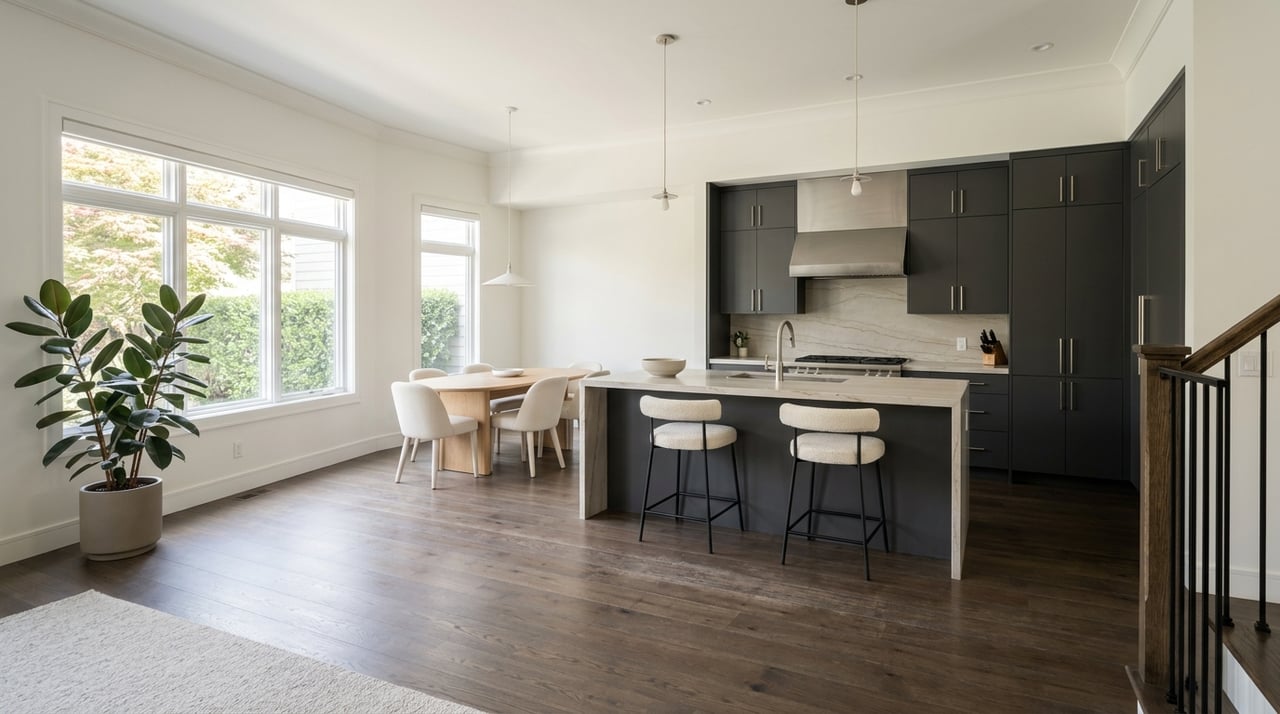
Presentation still plays a big role in buyer response. In the National Association of Realtors’ 2025 staging report, 29% of agents said staging increased the dollar value offered by 1% to 10%, and 49% said staging reduced time on market. The same report found that 81% of buyers said listing photos were the most useful feature in an online search.
Focus on high-impact prep
You do not always need a full remodel to improve your sale. In many cases, the biggest return comes from practical, visible updates that help buyers feel the home is clean, cared for, and move-in ready.
Start with these priorities:
- Decluttering and depersonalizing
- Cosmetic repairs
- Better lighting
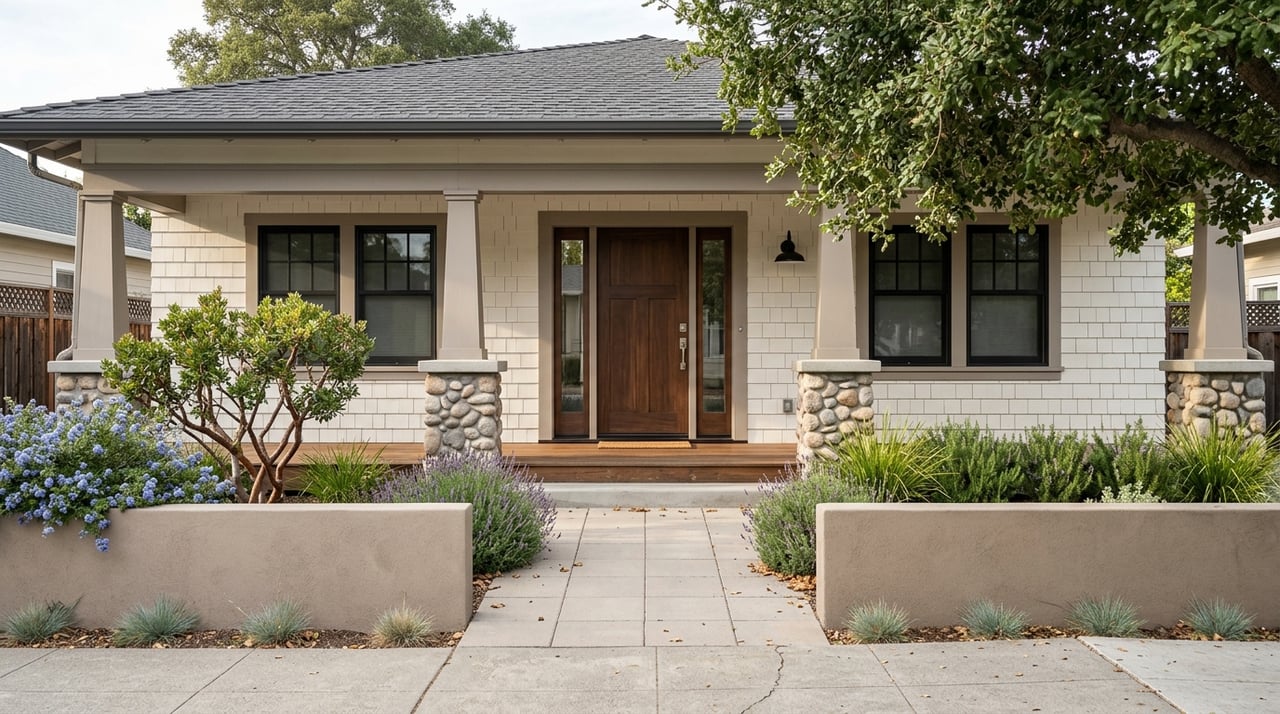
- Fresh landscaping or exterior touch-ups
- Professional photography after the home is fully prepared
These steps support both in-person showings and online marketing. Since most buyers begin with photos, your visual presentation should be ready before the home goes live.
Decide on as-is versus repairs
Some sellers wonder whether they should sell as-is or fix issues first. The answer usually depends on the condition of the home, the likely buyer pool, and how those issues compare with competing listings. If the home has visible deferred maintenance, basic repairs and cosmetic improvements may help protect your price and widen buyer interest.
If the property needs more extensive work, you may still sell it in current condition, but pricing and marketing need to reflect that clearly. The goal is to match buyer expectations from the start.
Get disclosures ready early
In California, disclosures are not a last-minute task. They are a major part of sale planning and should be assembled as early as possible. Waiting can create delays, increase buyer uncertainty, or affect timing after an offer is accepted.
The California Department of Real Estate explains that the Real Estate Transfer Disclosure Statement must be delivered as soon as practicable and before transfer of title. If it is delivered after a signed offer, the buyer generally has 3 days to rescind if delivered in person, or 5 days if mailed.
Know what buyers expect
Seller planning should include time for the required disclosure package. Depending on the property, that may include the Transfer Disclosure Statement, natural hazard disclosures, and lead-based paint disclosure for most homes built before 1978.
Natural hazard disclosure can cover mapped flood areas, dam-inundation areas, very high fire hazard severity zones, wildland fire areas, earthquake fault zones, and seismic hazard zones. Gathering these items early helps your transaction move more smoothly once offers arrive.
Condo and townhome sales need more time
If you are selling in a common-interest development, expect a more document-heavy process. The California DRE notes that sellers may need to provide governing documents such as CC&Rs, articles of incorporation, bylaws, and information about assessments, budgets, and reserves.
That is why condo and townhome sellers should request the HOA resale package early. These documents can take time to gather, and buyers often review them carefully before removing contingencies.
Market Millbrae the right way
A strong Millbrae listing should do more than describe bedrooms and baths. It should explain the lifestyle and convenience that come with the location. The City of Millbrae notes that it sits on the San Francisco Peninsula just west of SFO and is home to the region’s largest intermodal center, with connections through SFO, BART, SamTrans, and Caltrain.
For many buyers, that transit access and commute flexibility are meaningful selling points. Your marketing should make those benefits easy to understand through listing copy, photo captions, and showing materials.
Use broad exposure and agent outreach
Buyers use multiple channels, so your sale should too. The National Association of Realtors’ 2025 profile reported that 88% of buyers purchased through an agent or broker and 91% of sellers used a real estate agent. That supports a full distribution strategy rather than relying on a single platform or one weekend of exposure.
A smart launch often includes:
- MLS exposure and listing syndication
- Professional photography
- Clear, benefit-driven listing copy
- Agent-to-agent outreach
- A polished open house plan
This kind of rollout can help your home reach serious buyers quickly while reinforcing value during the most important early days.
Time the launch, not just the listing
Many sellers ask if they should wait for the perfect market moment. In Millbrae, the better question is whether your home is fully ready when it goes live. If repairs are unfinished or photos do not reflect the home at its best, going early can work against you.
The stronger sequence is usually this:
- Complete repairs and cosmetic prep
- Stage or style the home
- Gather disclosures and HOA documents
- Photograph the home professionally
- Launch with a clean pricing strategy
That sequence helps you use the first wave of buyer attention wisely. In a market where homes can move in around 12 days, that discipline can make a real difference.
Protect your net proceeds
Your sale price matters, but so does what you keep after closing. One of the most important planning steps is reviewing estimated net proceeds before your home hits the market. That way, you can make decisions with a clear picture of expenses.
Millbrae sellers should include the city’s property transfer tax in their planning. The city’s budget highlights state that the transfer tax is 55 cents per $500 of value, or $1.10 per $1,000, and that it is shared with San Mateo County.
Watch for tax-related surprises
Property tax questions can continue after closing. The city also notes that sold or improved property is reassessed at market value under Proposition 13 rules, and San Mateo County explains that a change in ownership can trigger supplemental property tax bills after escrow closes.
Those bills are separate from the regular secured bill and are often mailed after the deed is recorded. Knowing that in advance can help you avoid confusion when planning your move and your final numbers.
Build a plan around your home
Even in a competitive Millbrae market, a great result is rarely accidental. It usually comes from pricing with discipline, preparing the home before launch, organizing disclosures early, and marketing the property with a clear understanding of what local buyers value.
If you are thinking about selling in Millbrae, a personalized plan can help you avoid guesswork and make the most of your first days on the market. For a free home valuation or a one-on-one consultation, connect with Vilma Palaad.
FAQs
How should I price a home for sale in Millbrae?
- Start with very recent sold comps in Millbrae, then adjust for condition, upgrades, lot utility, views, parking, and other property-specific features instead of relying on county averages alone.
When should I complete staging and photography before listing in Millbrae?
- It is usually best to finish repairs, staging, and professional photography before your home goes live so you do not waste the first wave of buyer attention.
What disclosures do Millbrae home sellers need in California?
- California sellers commonly need the Transfer Disclosure Statement, natural hazard disclosures, and lead-based paint disclosure for most homes built before 1978, with timing that can affect a buyer’s rescission rights.
How do HOA documents affect a Millbrae condo sale?
- Condo and townhome sales often require added HOA paperwork such as governing documents, budget and reserve information, and assessment details, so it is smart to request the resale package early.
What closing costs should Millbrae sellers plan for?
- In addition to other transaction expenses, Millbrae sellers should account for the city property transfer tax of $1.10 per $1,000 of value and be aware that supplemental property tax bills may arrive after closing.