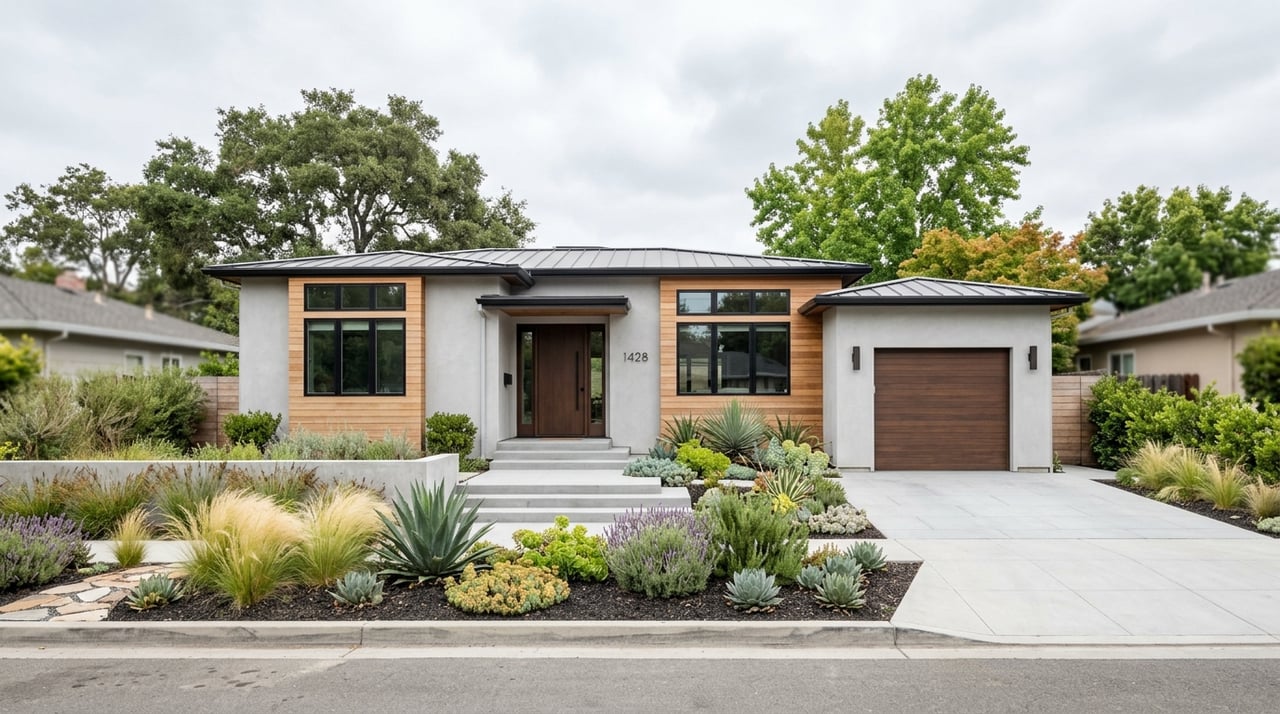
If your week includes early flights, train schedules, or daily Peninsula commutes, where you live in Millbrae can make a real difference. You want a home that supports your routine, not one that adds stress every time you need to reach the station or the airport. The good news is that Millbrae offers more than one lifestyle fit, and understanding the difference can help you buy smarter. Let’s dive in.
Why Millbrae stands out
Millbrae has a rare advantage for Peninsula buyers: it combines a small-city feel with one of the region’s strongest transit connections. The city sits about 15 miles south of San Francisco and just west of San Francisco International Airport, which makes it especially practical for people who travel often or commute across the Bay Area.
The city describes its intermodal center as a major regional asset, and local planning documents note that residents and employees use transit at higher rates than the county average. That pattern likely reflects the strength of Millbrae Station and the bus service along El Camino Real. In everyday terms, Millbrae gives you real options beyond driving.
Millbrae Station makes commuting easier
For many buyers, Millbrae’s biggest draw is the station itself. Millbrae Station connects BART, Caltrain, SamTrans, and other shuttle options in one place, which makes transfers simpler than in many other Peninsula cities.
BART lists Millbrae as a station with cross-platform connections to Caltrain, along with parking, bike lockers, elevators, restrooms, and SamTrans connections. Caltrain places Millbrae in Zone 2 and says riders can use the Caltrain lot on the west side or the BART lot and garage on the east side. If you need to park and ride, that flexibility matters.
Airport access is another major plus. SFO says BART riders can transfer to AirTrain for any terminal, and AirTrain runs 24 hours a day with service as frequently as every four minutes. SamTrans also serves the airport terminals with Routes 292, 397, and the late-night ECR OWL, while Route SFO connects each terminal with Millbrae Caltrain station.
The key neighborhood trade-off
If you are comparing Millbrae neighborhoods, the most helpful way to think about them is not simply close to transit versus far from transit. A better way to frame the city is transit-core convenience versus quieter residential pockets.
That distinction matters because price in Millbrae is often shaped as much by home type and lot size as by location. A smaller attached home near downtown may be more affordable than a larger hillside property, even if the downtown location offers faster access to trains and the airport.
Downtown Millbrae fits frequent flyers best
If your top priority is easy access to BART, Caltrain, SamTrans, and SFO, the clearest fit is the downtown and station area. This part of Millbrae offers the strongest mix of transit access, walkable daily conveniences, and lower-maintenance housing choices.
Recent sold homes in Downtown Millbrae have included smaller attached units, such as two-bedroom homes around 870 to 1,187 square feet and a one-bedroom unit on El Camino Real. That housing mix helps explain why downtown can appeal to buyers who care more about efficiency, location, and lock-and-leave convenience than lot size.
Downtown is also where many day-to-day errands cluster most naturally. The city’s planning documents describe downtown as a center for employment, retail, museums, governmental and institutional uses, including City Hall, the library, the history museum, the post office, and several bus stops on El Camino Real. The Downtown and El Camino corridor is also planned as a mixed-use spine for housing, restaurants, retail, hotels, offices, and entertainment.
Who downtown may suit
Downtown Millbrae may be a strong match if you:
- Fly often and want the simplest airport connection
- Use both BART and Caltrain
- Prefer a more walkable daily routine
- Want a condo or attached home with less upkeep
- Value quick errands and dining access near home
For many busy professionals, this is the most practical part of Millbrae. You trade some yard space and home size for everyday convenience.
Highlands and west-side areas feel quieter
If you want a more residential setting, neighborhoods like Highlands and other west-side pockets may feel more comfortable. Current listings and market patterns suggest these areas often offer larger homes, larger lots, and a quieter atmosphere than the downtown core.
For example, recent Highlands listings included a home on a quiet cul-de-sac and another property that highlighted both BART access and a 6,000-square-foot lot. That gives you a sense of the lifestyle difference. You may still have access to transit, but the setting often feels less tied to the station and commercial corridor.
Higher-elevation neighborhoods such as Highlands and Telescope Hills have also shown higher median prices than Downtown Millbrae in recent Redfin data. That likely reflects a mix of larger homes, views, and a more residential feel, though the city does not assign any official neighborhood hierarchy.
Who these areas may suit
Highlands, Telescope Hills, and similar pockets may be a better fit if you:
- Commute regularly but do not need to be next to the station
- Want more interior space or a larger lot
- Prefer a quieter residential setting
- Plan to stay long term and value a traditional home layout
- Are comfortable with a less walkable routine for errands
For some buyers, this is the right middle ground. You keep Millbrae’s location advantages while gaining more of the space and privacy that downtown homes may not offer.
Mills Estates shows why home type matters
Mills Estates is a good reminder that neighborhood pricing does not tell the full story by itself. Recent sales in that area included a two-bedroom, 995-square-foot home at $665,000 and a four-bedroom, 1,930-square-foot home at $3 million.
That is a wide spread, and it shows why buyers should compare property type, size, condition, and lot along with the map location. In Millbrae, two homes in the same neighborhood can serve very different needs and come with very different price points.
Why downtown is not always the most expensive
Some buyers assume the most convenient area will also be the priciest. In Millbrae, that is not always true.
Recent market data showed Downtown Millbrae with a median well below the citywide median, while several hillside neighborhoods were higher. The main reason appears to be inventory mix. Downtown tends to have more smaller attached homes, while other areas often include larger detached homes on bigger lots.
It is also worth reading neighborhood medians carefully. In several Millbrae neighborhoods, the latest monthly sales volume was only one to four homes, so those figures are best viewed as directional rather than definitive.
Millbrae’s low-rise character shapes your options
Millbrae’s development rules help explain why the city feels the way it does. Single-family and duplex homes are capped at 30 feet, while multi-family and commercial buildings are capped at 40 feet. The city also uses yard and design review standards intended to preserve residential character.
In practical terms, much of Millbrae remains low-rise and yard-oriented. If you are looking for the most compact housing form, the station and downtown areas are where it is most likely to appear. If you want a more traditional residential pattern, many other parts of the city align better with that preference.
Parks and amenities support daily life
Commute time matters, but so does what your day looks like after you get home. Millbrae’s active transportation plan highlights a wide range of neighborhood parks, including Bayfront Park, Bayside Park, Central Park, Green Hills Park, Junipero Serra Park, Lions Park, Marina Vista Park, Meadows Park, Mills Estate Park, Rotary Park, Schultz Park, and Spur Trail Park.
Central Park is the city’s largest recreational area at 8.1 acres and includes a playground, playing field, picnic areas, tennis courts, and bathrooms. Marina Vista Park was also renovated and reopened in February 2025. These spaces add everyday value, especially if you want room to unwind between work trips or after a long commute.
Millbrae also connects to regional trail systems. The city identifies Bay Trail access near Bayfront Park and access toward the San Andreas Trail and Sawyer Camp Trail on the west side, although some routes are hilly or have incomplete walking and biking connections.
How to choose the right Millbrae neighborhood
If you are deciding where to focus your search, start with your weekly routine rather than just a map pin. The right fit usually comes down to how you balance convenience, home size, and daily lifestyle.
Ask yourself:
- How often do you use BART or Caltrain each week?
- How often do you fly out of SFO?
- Do you want a home that is easier to lock and leave?
- How important are yard space and interior square footage?
- Do you want errands and dining closer to home?
- Are you comfortable driving or parking at the station?
If your answers point toward simplicity and transit access, downtown and the station area may deserve the most attention. If your answers point toward space and a quieter setting, west-side and hillside neighborhoods may be more appealing.
A practical Millbrae takeaway
For frequent flyers and commuters, Millbrae works because it gives you choices. You can live near one of the Peninsula’s strongest transit hubs and keep airport access simple, or you can choose a quieter residential pocket and still benefit from the city’s location.
The smartest approach is to look beyond broad neighborhood labels and focus on the lifestyle each part of Millbrae supports. If you want help comparing Millbrae condos, single-family homes, or other Peninsula opportunities based on your commute and long-term goals, Vilma Palaad can help you narrow the options with local insight and a practical plan.
FAQs
Which Millbrae neighborhood is best for frequent flyers?
- Downtown Millbrae and the station area are usually the best fit for frequent flyers because they offer the easiest access to BART, Caltrain, SamTrans, and SFO connections.
Which Millbrae neighborhoods feel quieter for commuters?
- Highlands, Telescope Hills, and some west-side residential pockets generally offer a quieter setting, with current listings suggesting larger homes and lots than the downtown core.
Can you park at Millbrae Station for commuting?
- Yes. Caltrain says riders can use the west-side Caltrain lot, and BART lists parking in the east-side lot and garage at Millbrae Station.
Is Downtown Millbrae always more expensive than other neighborhoods?
- No. Recent data showed downtown below the citywide median, largely because its housing mix includes smaller attached homes, while other neighborhoods often have larger detached properties.
Is Millbrae good for both transit riders and drivers?
- Yes. Millbrae offers strong rail, bus, and airport connections, and station parking gives many commuters the option to drive part of the trip and take transit the rest of the way.
What types of homes are common near Downtown Millbrae?
- Recent downtown sales included smaller attached homes and condos, which may appeal to buyers looking for lower-maintenance living close to transit and daily conveniences.