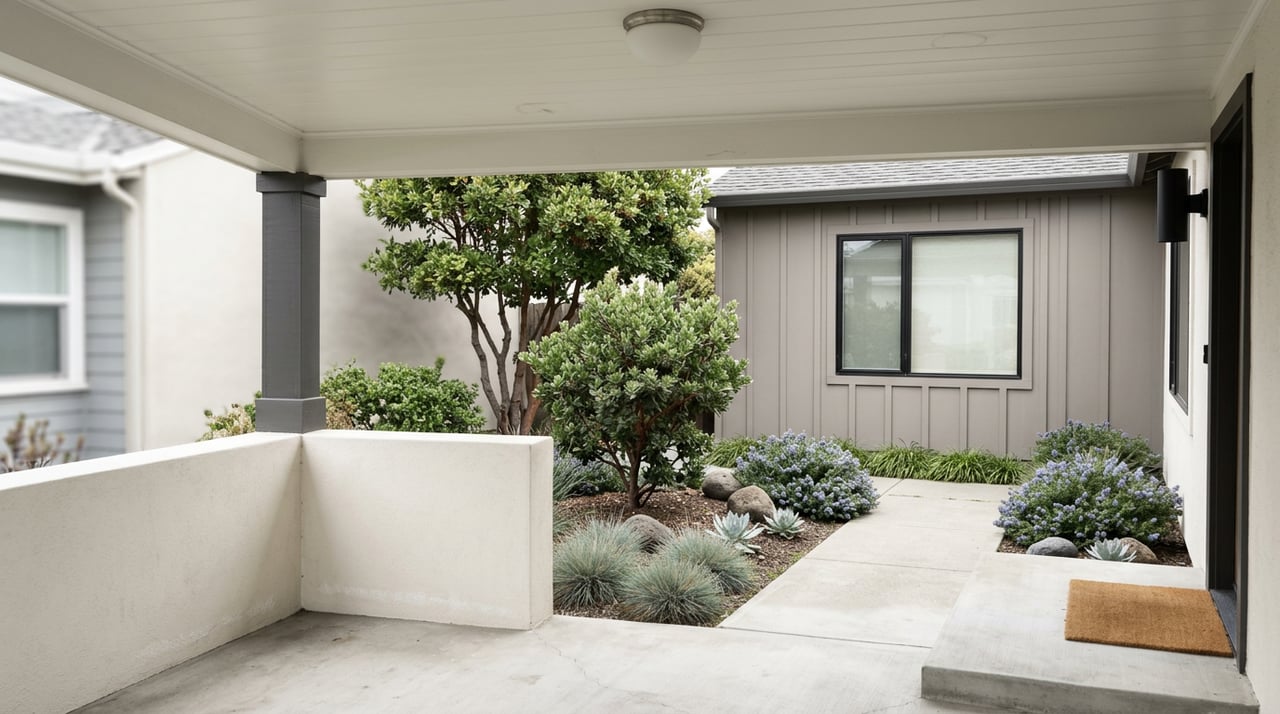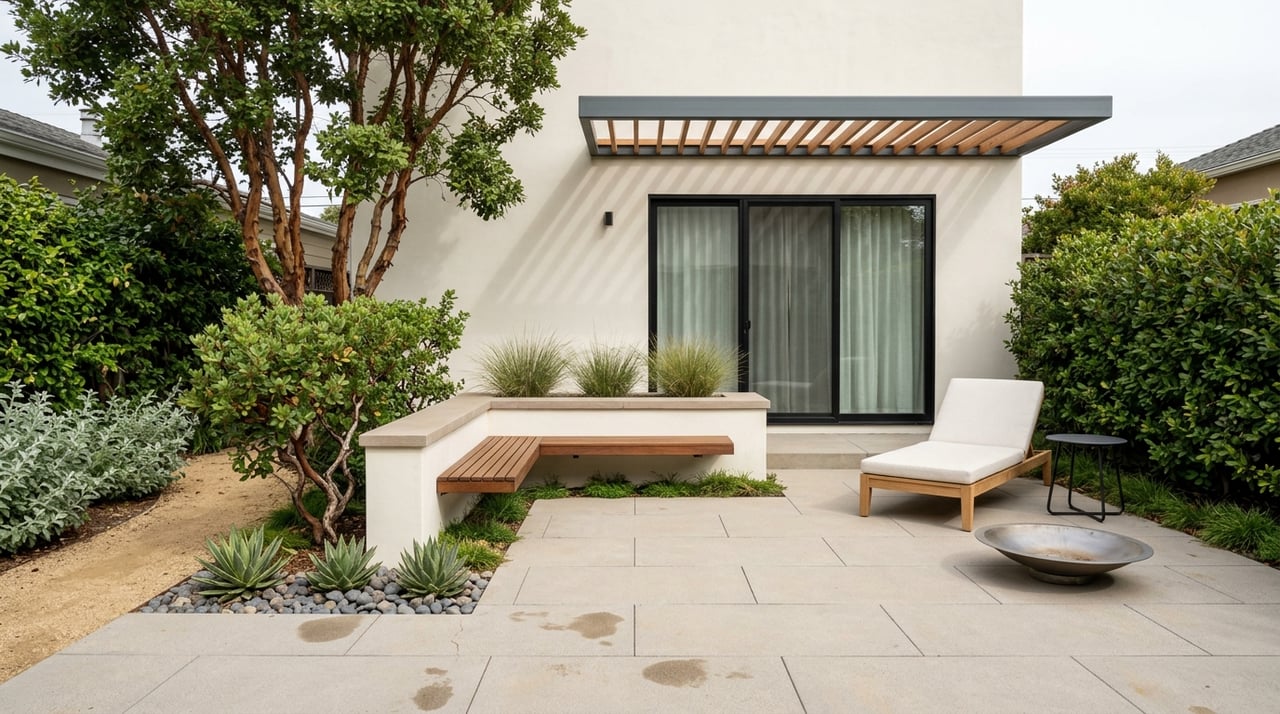
Trying to choose between a condo or a house in Daly City? You are not alone. With commute-friendly neighborhoods, varied microclimates, and a wide range of buildings, the right fit depends on your lifestyle and budget. In this guide, you will learn the key differences in costs, rules, financing, and daily living so you can make a confident decision. Let’s dive in.
How Daly City factors shape your choice
Commute and transit
If easy commuting is a top priority, condos near the Daly City BART station can be a strong match. The station offers direct regional transit and multiple bus connections, which many condo buyers prize for work trips and weekend mobility. You can explore station details and schedules on the BART Daly City station page.
Neighborhood layout and climate
Daly City spans coastal hills with pockets of fog and sunshine. Condo communities often cluster around areas like Serramonte and Westlake, where you may find varied amenity packages. Single-family homes are spread across hills and flatter neighborhoods, which can influence yard usability, parking, and wind exposure.
Space and lifestyle needs
If you want more interior square footage and a private yard, a single-family home will usually serve you better. If you prefer low upkeep and like the idea of shared amenities, a condo can simplify your day-to-day. Think about how you live now and what you expect to need in three to five years.
Cost comparison: condo vs single-family
Property taxes in San Mateo County
California’s base property tax is about 1% of the assessed value, plus local assessments. A simple estimate is annual property tax = assessed value × local tax rate, then divide by 12 for a monthly number. For statewide basics, review the League of California Cities primer on property tax fundamentals.
HOA fees and what they cover
Condo HOA fees vary based on building age, services, and amenities. Fees typically cover exterior maintenance, common-area insurance, landscaping, and shared utilities, with contributions to reserves. Always check recent budgets, reserve studies, and whether any special assessments are planned.
Maintenance and repairs
Single-family owners pay for all exterior and yard work, plus major systems like roof and foundation. A common rule of thumb is to budget 1% to 3% of the home’s value per year, depending on age and condition. For an overview of maintenance planning, see this guide to annual home maintenance costs.
Condos reduce personal exterior workload, but you still maintain your interior and rely on the HOA’s financial health for larger building projects. Healthy reserves can help prevent large surprise bills.
Insurance differences
Most single-family owners carry an HO-3 policy covering the structure and personal property. Condo owners typically carry an HO-6 policy that covers the unit interior, personal property, and liability, while the HOA carries a master policy for the building’s exterior and common areas. Review what the master policy covers, and ask about earthquake coverage, which is often separate in California. For basics on coverage types and limits, consult the Insurance Information Institute overview.
Utilities and parking
Condos often include water, trash, and some common-area utilities in HOA dues. Single-family homes generally pay all utilities directly, which can be higher if you have a lawn or larger interior space. Parking varies by building and neighborhood. Many condos include assigned spaces, while houses often provide driveways or garages.
Simple side-by-side cost view
Below is a quick template to help you compare two specific properties you are considering. Replace the placeholders with actual numbers from your lender estimates, HOA documents, and disclosures.
| Cost item | Typical condo approach | Typical house approach |
|---|---|---|
| Mortgage principal & interest | Based on price, down payment, rate | Based on price, down payment, rate |
| Property tax (monthly) | Assessed value × local rate ÷ 12 | Assessed value × local rate ÷ 12 |
| HOA dues | Yes, monthly; review reserves and what is covered | Usually none |
| Home insurance | HO-6 policy; confirm HOA master coverage | HO-3 policy for full structure |
| Utilities | Some may be included in HOA | Owner pays all |
| Maintenance reserve | Lower for interior; HOA handles exterior | Budget 1% to 3% of value per year ÷ 12 |
| Special assessments (annual/one-time) | Possible; check HOA minutes and budgets | Possible for major repairs, but owner-controlled |
Financing and approval differences
Condo project approval and documentation
Lenders often apply extra reviews to condos. Expect requests for CC&Rs, budgets, reserve details, insurance, owner-occupancy ratios, and litigation status. Fannie Mae provides guidance on project standards that lenders follow; you can review Fannie Mae’s condo project requirements to understand what underwriters may evaluate.
FHA/VA considerations
Some loan programs require that the condo project itself be approved, which can affect your loan options and timing. You can learn how FHA reviews condo projects through the HUD condo approval resource. If a project lacks approval, you may need a different loan type or a different building.
Down payments and rates
Your down payment is driven more by the loan program than by property type. The big difference is that some lenders avoid certain condo projects if reserves are low or if there is active litigation. Single-family homes can be more straightforward for financing because there is no project-level review.
Rules, rentals, and resale
HOA governance and disclosures
When buying a condo, you will receive a package of HOA documents. Key items include CC&Rs, bylaws, budgets, financial statements, reserve studies, meeting minutes, and any litigation or special assessment disclosures. California’s Davis-Stirling Act outlines how common interest developments operate and what must be disclosed. You can read the statute text to understand your rights and obligations under the Davis-Stirling Act.
Rental rules and state law impacts
Many HOAs set limits on leasing and often restrict short-term rentals. If you plan to rent in the future, review the project’s leasing rules before you write an offer. Statewide, California’s AB 1482 sets rent caps and eviction protections for many long-term rentals, with certain exemptions. You can review the statute text for AB 1482 to understand how it might apply.
Resale considerations
Single-family homes often attract a broader buyer pool and typically do not face condo project financing hurdles. Condos can sell quickly in transit-oriented areas, but the buyer pool may be more sensitive to HOA dues and project health. Your exit strategy should factor in liquidity, financing flexibility, and building governance.
Natural hazards and building condition
Earthquake readiness
Daly City, like the rest of the Bay Area, is earthquake-prone. For condos, ask about seismic upgrades, soft-story retrofits, and master policy coverage for quake events. For houses, review the foundation, bracing, and water heater strapping, and consider separate earthquake insurance if appropriate.
Coastal climate and structure
Wind, fog, and salt exposure can affect exterior materials and maintenance cycles. On hilly lots, drainage and retaining walls deserve attention. Your inspection and disclosure review should focus on these local conditions.
Quick decision framework
- If you want low maintenance, amenities, and easy access to BART, lean condo.
- If you want a yard, more interior space, and freedom to remodel, lean single-family.
- If budget is tight, compare total monthly costs: mortgage + tax + insurance + HOA for condos, versus mortgage + tax + insurance + maintenance for houses.
- If future renting is a goal, review HOA leasing rules and consider whether the condo project is eligible for common loan programs.
What to ask on tours
For condos
- What is the monthly HOA fee and what does it cover? What is the reserve balance, and are special assessments planned? What is the owner-occupancy percentage? Any active litigation?
For houses
- What is the age and condition of the roof, foundation, plumbing, electrical, and HVAC? Were renovations permitted and finaled? What does yard care typically involve?
For both
- What are recent comparable sales nearby, typical days on market, average utility costs, and any planned developments in the area? Which school districts serve the address, and how do boundaries impact transportation and services?
Next steps
You do not have to make this decision alone. If you want a tailored cost breakdown for two properties, a review of HOA documents, or help weighing commute, space, and resale tradeoffs, reach out for local guidance. Connect with Vilma Palaad to compare specific Daly City condos and houses side by side and move forward with clarity.
FAQs
What costs are unique to buying a Daly City condo?
- You will likely pay monthly HOA dues that cover exterior maintenance, common-area insurance, and shared utilities, and you should review reserve studies and any special assessments.
How do HOA rules affect renting a Daly City condo?
- Many HOAs limit leasing terms and often restrict short-term rentals, and statewide rules like AB 1482 may apply to long-term rentals depending on exemptions.
Is earthquake insurance required for Daly City homes or condos?
- It is typically optional and separate from standard policies, so ask your insurer about coverage and review what a condo’s master policy includes, using the Insurance Information Institute overview as a starting point.
How do lenders evaluate Daly City condo buildings?
- Lenders review the project’s budget, reserves, insurance, owner-occupancy, and litigation; see Fannie Mae’s project standards and FHA condo approval basics for the criteria.
What is a simple way to compare monthly condo vs house costs?
- List mortgage, property tax, insurance, and utilities for both, add HOA dues for the condo, and add a maintenance reserve for the house using a 1% to 3% annual estimate from home maintenance cost guidance.